Indonesia Engages Iran to Resolve Pertamina Tankers’ Stuck Situation Near Hormuz
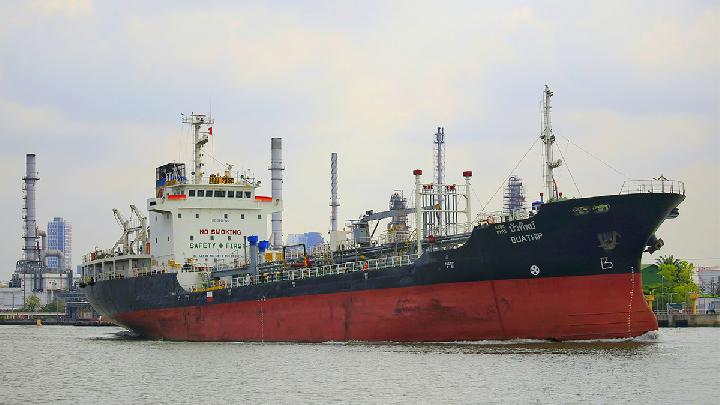
Indonesia in Talks With Iran Over – Indonesia’s Foreign Ministry has been actively negotiating with Iran to address the issue of two Pertamina-operated oil tankers that remain anchored near the Strait of Hormuz. The vessels, Pertamina Pride and Gamsunoro, are operated by PT Pertamina International Shipping (PIS) and have yet to navigate through the strategic waterway due to persistent security concerns. Deputy Foreign Minister Arif Havas Oegroseno highlighted the ongoing diplomatic efforts during a press briefing held in Jakarta, emphasizing the importance of maintaining communication with Iranian officials to facilitate a resolution.
Strait of Hormuz: A Critical Trade Route
The Strait of Hormuz, a narrow passage between Iran and Oman, serves as a vital artery for global energy transportation. It is responsible for a substantial portion of the world’s oil and gas exports, making its security a focal point for international shipping operations. The current situation has raised alarm among maritime stakeholders, as the two Pertamina tankers are trapped in the Arabian Gulf, unable to proceed further into the strait. This delay has prompted Indonesia to intensify its dialogue with Tehran to ensure the vessels can safely transit the region.
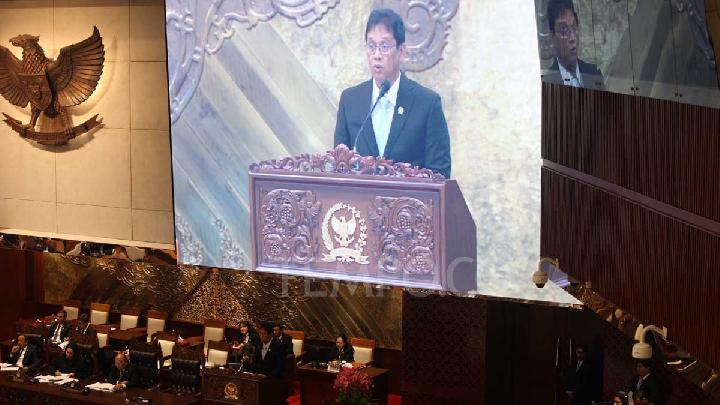
“We continue to engage with the Iranian government and maintain discussions with the relevant authorities,” Havas said after meeting with the House of Representatives’ Commission I at the parliamentary complex in Jakarta. The deputy minister’s comments underscore the government’s commitment to resolving the crisis, despite the ongoing regional tensions that have complicated the situation.
According to Havas, the primary challenge lies in securing insurance coverage for the tankers as they traverse the high-risk waters near Hormuz. Many insurers have expressed hesitation to provide guarantees due to the elevated geopolitical risks posed by the conflict involving the United States, Israel, and Iran. He noted that while coverage is typically available in calmer waters, the reluctance to insure vessels entering contested areas has created a bottleneck in the process.
The decision to proceed with the tankers also hinges on the assessments of ship captains and the approval of cargo owners. These stakeholders prioritize the safety of both the crew and the goods being transported, often delaying action until all risks are mitigated. Havas explained that aligning these factors requires coordination between multiple parties, including diplomatic representatives, maritime experts, and financial institutions involved in the insurance process.
Political developments in the region play a significant role in determining the timeline for the tankers’ departure. Havas pointed out that the resolution of the issue is closely tied to the trajectory of the conflict between the US, Israel, and Iran. If tensions escalate further, the situation could worsen, forcing Indonesia to monitor the situation closely and adjust its strategy accordingly.
Broader Implications of the Stuck Tankers
The incident has highlighted the vulnerability of international trade routes to geopolitical instability. The Strait of Hormuz, often referred to as the “lifeblood of the world’s oil supply,” has become a flashpoint for security disputes, impacting not only Indonesia’s shipping operations but also global energy markets. Analysts suggest that the prolonged delay could affect the supply chain, potentially leading to price fluctuations or logistical challenges for other nations reliant on the same route.
Foreign Minister Retno Marsudi, who previously addressed the issue on April 22, noted that the negotiations have been hindered by internal challenges within Iran. She observed that while policy decisions are made at the central level, their implementation on the ground is often inconsistent. This has created uncertainty for Indonesian officials, who must navigate a complex web of bureaucratic and operational hurdles to secure the tankers’ passage.
“There are many factors that must be aligned. It is not simply a matter of obtaining assurances from government authorities,” Havas stated, underscoring the multifaceted nature of the problem. His remarks reflect the need for a coordinated approach involving diplomatic, economic, and security considerations.
The two tankers, which are part of Pertamina’s international fleet, have been stationary for several weeks, drawing attention to the broader implications of regional instability on maritime trade. While the immediate focus is on their safe transit, the situation has also prompted discussions about the need for contingency plans and alternative routes in case of future disruptions. Industry experts warn that such delays could have cascading effects on global energy supplies, particularly if the vessels are unable to resume operations soon.
Indonesia’s reliance on the Strait of Hormuz for its oil exports adds another layer of complexity to the situation. As a major player in the global energy market, the country has a vested interest in ensuring the smooth movement of its vessels through the region. The current crisis has exposed the risks associated with the area, prompting calls for enhanced security measures and international cooperation to safeguard maritime traffic.
International Response and Future Outlook
While the focus remains on bilateral talks between Indonesia and Iran, the situation has drawn interest from other nations and organizations. The United States, a key player in the region, has been monitoring the development closely, with its diplomats expressing concern over the potential for further disruptions. Meanwhile, international shipping companies are evaluating their own strategies to minimize exposure to similar risks.
Analysts predict that the resolution of this issue will depend on a combination of political will and practical assessments. As Iran continues to balance its domestic priorities with regional security, the Indonesian government is urging for a swift decision to avoid prolonged delays. Havas emphasized the importance of maintaining diplomatic channels open, stating that the situation requires constant dialogue and adaptability.
Looking ahead, the incident is expected to serve as a case study in the challenges of navigating volatile trade routes. With the global energy landscape increasingly interconnected, any disruption in the flow of oil and gas can have far-reaching consequences. Indonesia’s efforts to resolve the issue with Iran not only reflect its commitment to maritime security but also its role as a key player in regional and international energy dynamics.
Readers are encouraged to stay informed about the developments through reputable news sources. The latest updates on this story and other related topics can be found on Tempo’s Google News platform. As the situation unfolds, the focus will remain on the coordination between Indonesian and Iranian authorities to ensure the safe passage of the tankers and the stability of the region’s energy infrastructure.