PLN Accelerates Coal Procurement for Power Plants
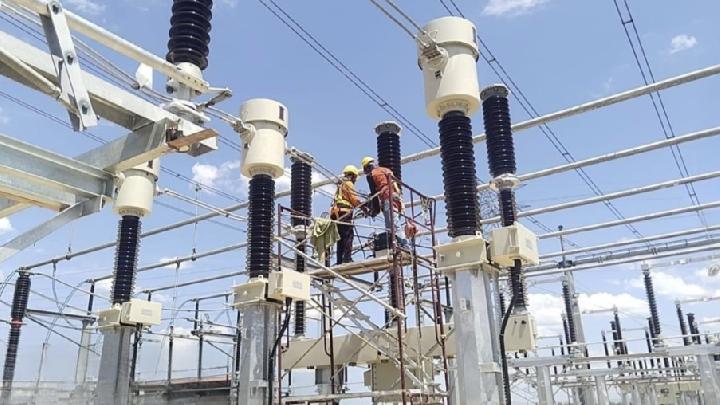
PLN Accelerates Coal Procurement for Power – In response to ongoing energy challenges, the CEO of Indonesia’s state-owned electricity company, PLN, Darmawan Prasodjo, has announced that the company is intensifying its efforts to finalize contracts with coal suppliers. This move aims to ensure a steady supply of fuel to meet the electricity demands of power plants nationwide. The CEO emphasized the urgency of securing coal, particularly medium-rank coal, which is critical for maintaining power generation levels.
Collaboration with Regulatory Bodies
Darmawan highlighted the close coordination between PLN and the Directorate General of Mineral and Coal under the Ministry of Energy and Mineral Resources. This partnership is intended to streamline the procurement process and expedite coal delivery to power plants. During a press conference held on Friday night, as reported via a live broadcast on Garuda TV on Saturday, June 20, 2026, he stated that the company is prioritizing agreements with suppliers to address the current shortfall.
We are also expediting the process of contract signing with coal suppliers, especially medium-rank coal, which has been assigned by the government,” Darmawan noted. He added that the coal supply is now being directed to various steam power plants across Java, including both PLN-owned and privately operated facilities.
The CEO’s remarks underscore the growing pressure on PLN to mitigate disruptions in the energy sector. The situation has become increasingly critical, with coal shortages leading to scheduled power outages in multiple regions. These outages have affected areas across all Java provinces, including Jakarta, causing widespread inconvenience and prompting calls for immediate action.
Regional Coal Distribution
In the western part of Java, coal supplies are being allocated to key power plants such as PLTU Pelabuhan Ratu, PLTU Lontar, PLTU Labuan, PLTU Suralaya 1-8, PLTU Jawa 7, PLTU Jawa 9 and 10, and PLTU Indramayu. Meanwhile, the eastern regions are seeing coal redirected to PLTU Paiton 1 and 2, PLTU Paiton 9, PLTU Rembang, PLTU Pacitan, and PLTU Tanjung Awar-Awar. This distribution strategy is designed to balance the load and restore power to affected areas.
According to Tempo’s records, the power outages spanned from June 8 to June 19, 2026, with the most recent incidents reported on June 19 in Yogyakarta and Serpong, South Tangerang, Banten. These outages have intensified the need for a swift resolution to the coal supply issues. The Ministry of Energy and Mineral Resources has acknowledged the role of medium-rank coal shortages in triggering the blackouts, highlighting the vulnerability of the energy infrastructure to supply chain fluctuations.
Government and Industry Perspectives
The Minister of Energy and Mineral Resources, Bahlil Lahadalia, provided further insight during a working meeting with the House of Representatives’ Commission XII on June 15, 2026. He explained that limited coal availability has hindered the optimal operation of several power plants, contributing to the current grid instability. Bahlil attributed the problem to a significant disparity between domestic coal prices and market rates.
“So, the selling price to PLN is no longer feasible for the company. That is the problem,” said Bahlil. He noted that coal for PLN is currently sold at a domestic market obligation (DMO) price of US$70 per ton, while the Coal Reference Price (HBA) for the first half of June 2026 reached US$121.83 per ton for high-calorific coal (6,322 kcal/kg) and US$84.53 per ton for medium-calorific coal (5,300 kcal/kg).
Bahlil’s comments reveal the financial strain on PLN due to the pricing gap. The domestic obligation price, set to ensure local supply, is significantly lower than the market rate, making it difficult for suppliers to remain profitable. This imbalance has created a dilemma for the government and energy companies, as they strive to maintain electricity generation while managing costs.
Industry Challenges and Policy Impact
Adding to the complexity, Gita Mahyarani, the Executive Director of the Indonesian Coal Mining Association (APBI), pointed to deeper structural issues affecting coal availability. She stated that the 2026 Work Plan and Budget (RKAB) policy, which limits coal production, has reduced suppliers’ ability to adapt to market demands. This policy, she argued, has constrained the flexibility of producers, exacerbating the supply crisis.
“Moreover, the current production is also in the process of adjustment through the RKAB, so the producers’ flexibility is not as extensive as before,” Gita remarked. Her analysis underscores the need for a more dynamic approach to coal production, particularly in light of fluctuating market conditions and the rising costs of energy generation.
The APBI’s perspective highlights the tension between regulatory mandates and market realities. While the RKAB aims to stabilize the coal sector, it may inadvertently stifle responsiveness to urgent needs. Analysts suggest that revising the policy to allow for greater production flexibility could help alleviate the immediate shortages and prevent future disruptions.
Broader Implications and Calls for Action
The coal crisis has far-reaching implications for Indonesia’s energy security. With coal accounting for a substantial portion of the nation’s power generation, any shortfall directly impacts the stability of the electricity grid. PLN’s accelerated procurement efforts are a crucial step in addressing this challenge, but sustained collaboration between the government, industry stakeholders, and suppliers is essential to ensure long-term solutions.
Industry experts caution that the situation may worsen if the pricing gap persists. They recommend revising the DMO framework to reflect current market prices, which could incentivize suppliers to maintain production levels. Additionally, investing in alternative energy sources and diversifying fuel supply chains may reduce reliance on coal and enhance resilience against future shortages.
As the government works to resolve the coal supply crisis, the public continues to demand reliable electricity services. The recent blackouts have sparked discussions about the need for comprehensive reforms in the energy sector, balancing affordability, sustainability, and operational efficiency. PLN’s proactive measures, combined with policy adjustments, may provide a pathway to stabilize the power supply and meet the nation’s growing energy needs.
Read more about the government’s stance on the coal crisis at the source article for updates on the latest developments. Stay informed with Tempo’s news on Google News for real-time coverage of the energy sector’s challenges and solutions.