What Are the Key Terms Outlined in Indonesia’s 2027 Fiscal Framework?
What Are the Key Terms Outlined – On Thursday, June 11, 2026, Indonesian lawmakers and the government finalized the 2027 fiscal framework, which aims to stimulate economic expansion while curbing the State Budget deficit. This agreement outlines a series of critical indicators that will guide the nation’s financial and macroeconomic strategies in the upcoming year, reflecting a balanced approach to growth, stability, and social development.
Economic Growth and Exchange Rate Projections
Mukhamad Misbakhun, chair of the House of Representatives’ Commission XI, highlighted the government’s revised economic growth target for 2027, which ranges from 5.8 to 6.5 percent. This figure represents an upward adjustment compared to the current year’s ambitions, signaling a renewed focus on enhancing productivity and investment. The rupiah exchange rate, meanwhile, is expected to hover between 16,800 and 17,500 against the US dollar. These projections are more ambitious than previous estimates, aligning with the broader goal of strengthening the country’s economic resilience.
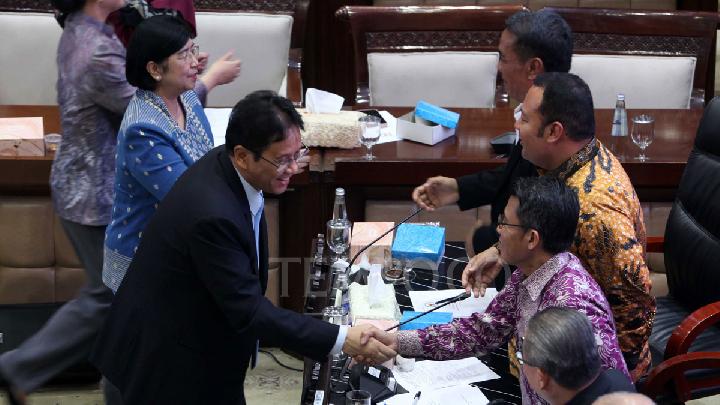
“Only after reviewing the initial reports can we determine the exact figure,” said Misbakhun during the meeting at the House of Representatives building. The precise exchange rate target will be set following the analysis of the first semester’s State Budget performance, ensuring alignment with real-time economic conditions.
Inflation Control and Interest Rate Objectives
The fiscal framework also sets a target for inflation to remain within 1.5 to 3.5 percent for 2027, maintaining the stability achieved in recent years. This range is considered moderate, allowing for controlled price increases without stifling consumer spending or investment. In parallel, the government has outlined a 10-year Government Bonds (SBN) interest rate target of 6.5 to 7.3 percent. This rate is designed to support long-term financing needs while keeping borrowing costs manageable for both public and private sectors.
These measures are intended to create a stable financial environment, encouraging businesses to invest and consumers to maintain confidence in the economy. By keeping inflation in check and offering predictable interest rates, the framework aims to foster sustainable development without overburdening the economy with excessive debt.
Unemployment and Poverty Reduction Goals
Indonesia’s 2027 fiscal plan includes specific targets for reducing unemployment and addressing poverty. The open unemployment rate is expected to decline to between 4.30 and 4.87 percent, a significant improvement over the current year. Simultaneously, the poverty rate is targeted to stay within 6 to 6.5 percent, emphasizing the government’s commitment to lifting more citizens out of financial hardship. Notably, the extreme poverty rate is set to reach zero, a bold aspiration that requires targeted social programs and infrastructure investments.
These goals are part of a multifaceted strategy to improve living standards. By focusing on both unemployment and poverty, the government aims to create a more equitable distribution of economic benefits. The reduction of extreme poverty, in particular, underscores the nation’s focus on inclusive growth, ensuring that the most vulnerable populations are not left behind.
Social and Developmental Indicators
The framework incorporates several social and developmental metrics to measure progress across different sectors. The Gini ratio index, which gauges income inequality, has been agreed upon to fall within 0.362 to 0.367. This range suggests a slight improvement in wealth distribution, contributing to greater social cohesion. The Human Development Index (HDI), a composite measure of education, health, and living standards, is set at 0.575, reflecting the government’s efforts to enhance overall quality of life.
Gross National Income (GNI) per capita is targeted to reach between US$5,800 and US$5,840. This metric serves as an indicator of economic prosperity and is critical for assessing the country’s progress toward becoming a middle-income economy. Additionally, the framework includes a goal for 40.81 percent