

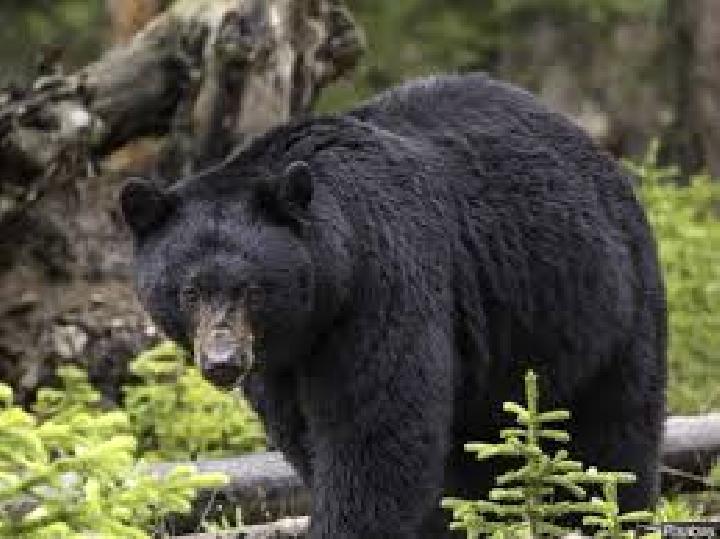
Why Bear Attacks Are Rising Fast in Japan
Why Bear Attacks Are Rising Fast – Jeff Kingston’s life was once saved by his dogs after a bear attack on a mountain trail in central Japan. Though the scars from the bear’s claws remain on his forehead, arms, and shoulders, the incident in 2014 left a lasting impression. Kingston, an American academic who often escapes Tokyo for weekends to his rural cabin in Gunma Prefecture, recounted how the encounter marked a turning point in his relationship with the wilderness. He believes that human-bear interactions have grown increasingly frequent, and this trend may continue, potentially leading to more severe outcomes.
Kingston’s experience is not unique. Over the past few years, the number of encounters between bears and humans in Japan has risen dramatically. The Japanese government’s 2026 environment white paper, released last week, highlighted the growing concern, stating that bears have become “a serious threat to public safety and peace.” According to the report, there were more than 50,000 bear sightings recorded during the financial year ending March 31, with 238 people injured and 13 fatalities in bear-related confrontations. This year, the numbers may already surpass those records, as 25 individuals have been injured since April 1 and four have been confirmed dead.
Bear-Human Encounters Surge Across Japan
The problem is no longer confined to remote areas. In the early hours of a Sunday, a large bear was captured on security cameras prowling through a shopping arcade in Utsunomiya, a city in northern Japan. Earlier in the month, a black bear attack in Fukushima left four people wounded. Even in urban settings, such as the Okutama district of western Tokyo, a Russian hiker suffered serious injuries during a recent hike. These incidents underscore the shifting dynamics of bear behavior and their increasing proximity to human populations.
Fewer Hunters Fuel Bear Encounters
Kevin Short, a naturalist and former professor of cultural anthropology at Tokyo University of Information Sciences, points to the decline in rural hunters as a key factor driving the rise in bear attacks. “The reduction in hunting has made bears more confident in approaching human settlements,” he explained. Studies on euthanized bears reveal that the animals have become less fearful of humans, with lower stress levels and a greater willingness to venture into areas where people live. Short noted that this generation of bears grew up near villages or suburbs, where their mothers were hesitant to come close to human habitats. “But that fear has now passed to the next generation,” he said.
Short emphasized that the loss of traditional feeding grounds also plays a critical role. “Bears are expanding their range into farmland and paddy fields,” he stated. “They’re drawn to apple and persimmon trees, which provide easy access to food, as well as discarded garbage.” This shift in habitat forces bears into closer contact with humans, increasing the likelihood of aggressive encounters. The combination of these factors has created a perfect storm, making it difficult for local authorities to manage the situation effectively.
Global Warming Intensifies the Crisis
Another contributing factor, according to Short, is the impact of climate change on the bears’ food sources. “Warmer temperatures are disrupting the availability of nuts and berries that bears rely on before hibernation,” he said. In years when these natural resources are scarce, bears must forage longer, which can lead to heightened aggression. A relatively warm winter and early spring this year caused bears to emerge from their dens earlier than usual, further complicating their search for sustenance. “They’re taking advantage of suburban opportunities,” Short added, “which have become new hunting grounds.”
The white paper also suggested solutions, including encouraging more people in rural areas to take up hunting as a recreational activity. However, Short argued that this approach alone may not be enough. “Technology could offer a more sustainable answer,” he said. Some communities are already experimenting with deterrents like motion sensors and noise-making devices to keep bears at bay. For instance, a Hokkaido-based company has developed “Monster Wolf,” an oversized animatronic scarecrow designed to mimic the appearance of a predator. The device features shaggy hair and glowing eyes to intimidate bears and prevent them from entering populated zones.
Preparedness and Prevention
Kingston, who has learned to adapt to the changing environment, shared his strategy for staying safe. After the 2014 attack, he became more cautious, especially during the summer months, which are typically the most active hiking season. “I’ve adjusted my routine to avoid the peak times when bears are most likely to be encountered,” he said. Last year, he used repellent spray to fend off another bear, though he admitted it only worked after the animal had already approached within a meter of him. His story reflects a broader trend of individuals taking personal measures to mitigate the risk of attacks.
Experts agree that proactive steps are essential. The government’s report highlights the need for better public awareness and more robust prevention strategies. While hunting remains a key tool, some argue that it must be paired with habitat conservation efforts. Short noted that preserving the natural environments where bears forage could reduce their reliance on human food sources. “If we can protect their traditional habitats, we might prevent them from encroaching on our spaces,” he suggested.
Despite these efforts, the situation continues to escalate. The growing population of bears, combined with shrinking natural habitats and climate shifts, means that encounters are likely to increase. Authorities are working to implement policies that address these challenges, but the urgency of the problem has not been fully met. As Kingston’s experience shows, the consequences of these encounters can be severe, and the scars they leave—both physical and psychological—will linger for years to come.
“We are finding a new generation that grew up close to villages or suburban areas but had mothers that were still somewhat reluctant to get too close to human habitation,” Short said. “But that fear has gone with these animals.”
The challenge now lies in balancing human activity with bear conservation. As more people move into rural and suburban areas, the risk of conflict grows. Meanwhile, the bears’ adaptation to these environments means they are no longer content to live in the forests. Instead, they are finding new ways to survive, often at the expense of human safety. This evolving relationship between humans and bears in Japan serves as a stark reminder of the importance of coexistence and the need for innovative solutions to protect both wildlife and communities.