
US Clears Paramount’s Mammoth Warner Bros Merger
US Clears Paramount s Mammoth Warner – The U.S. Department of Justice has given the green light to the $110 billion merger between Paramount Global and Warner Bros. Discovery, approving the deal without imposing any conditions. This decision, reported by DW, marks the end of an eight-month antitrust review that evaluated whether the consolidation of two major entertainment giants would stifle competition or harm consumers. Regulators concluded that the combined entity would still maintain sufficient market dynamics to benefit American audiences and workers.
Combining Power for Competitive Advantage
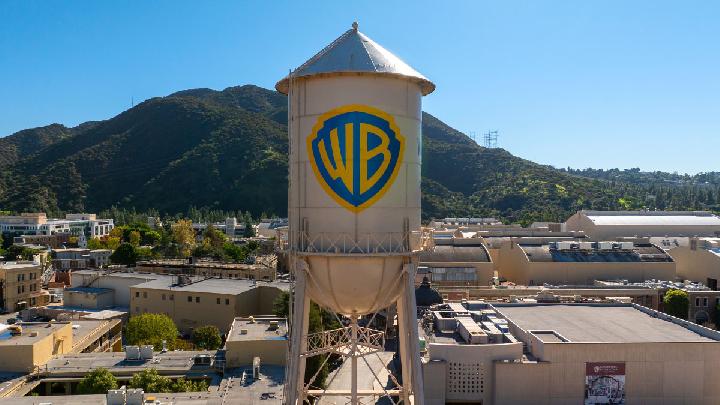
Paramount’s acquisition of Warner Bros. Discovery, which includes assets like HBO Max, CNN, and the iconic Warner Bros. studio, was hailed by the Justice Department as a move that would “increase competition across the media and entertainment ecosystem.” Officials emphasized that the merger would not create a monopoly, as the new company would still face pressure from other streaming platforms such as Disney+ and Netflix. This perspective aligns with Paramount’s own defense, which argued that the integration of Warner Bros.’ vast library with Paramount’s own content would offer users a broader range of programming and drive innovation in the industry.
“The merger will enhance competition and deliver value to consumers and workers,” stated the Justice Department in its official statement, underscoring the belief that the deal would not disrupt market balance.
The deal’s scale has drawn comparisons to a historic consolidation of power. Warner Bros. and Paramount have long been rivals in the entertainment landscape, with Warner Bros. dominating film and television production and Paramount leading in broadcast networks and streaming services. Critics, however, argue that the merger’s true impact lies in its ability to consolidate control over key platforms, creating a behemoth that could dominate both content creation and distribution.
Opposition from Hollywood and Free Speech Advocates
Despite the Justice Department’s approval, the merger has faced strong opposition from within the entertainment industry. A coalition of Hollywood directors and actors has raised concerns about the deal’s implications for creative freedom and market concentration. They view it as a further step in the industry’s trend toward monopolistic control, where a handful of powerful corporations dominate content production, distribution, and marketing.
Free speech activists have also voiced skepticism, highlighting Paramount’s ties to the Trump administration. The company’s leadership, including David Ellison, founder of Paramount Skydance, has been linked to pro-Trump policies. Ellison, the son of tech magnate Larry Ellison, is a billionaire and a close ally of former President Donald Trump. His company has already hired several officials from the Trump administration, including a senior antitrust regulator and a White House legal advisor, raising questions about potential conflicts of interest in the approval process.
These criticisms extend to the broader implications of the merger. Opponents claim that the deal could lead to reduced diversity in media voices, as Paramount’s ownership of CNN and CBS—both outlets known for their critical coverage of political figures—may influence editorial independence. CBS, currently led by Bari Weiss, has been accused of leaning toward favorable coverage of Trump, a stance that has drawn scrutiny from media watchdogs and public figures.
Legal Challenges and Regulatory Scrutiny
Even with the Justice Department’s blessing, the merger is not yet secure. Several U.S. states, including California and New York, are preparing legal challenges to block the deal. These lawsuits argue that the Justice Department’s approval overlooks potential antitrust risks, particularly the dominance of the new company in key markets. The states’ legal teams will likely focus on how the merger could limit consumer choice and raise prices for streaming services.
The European Union and the United Kingdom are also conducting their own reviews of the merger. EU officials, who have historically taken a more aggressive stance against large-scale acquisitions, are expected to announce a decision by July. Meanwhile, the UK’s market regulators aim to finalize their assessment by early August. Both jurisdictions are scrutinizing whether the combined entity will control a significant portion of the global entertainment market, potentially requiring divestitures to maintain fair competition.
Implications for the Media Landscape
The merger’s approval signals a major shift in the media and entertainment industry. By merging Warner Bros. Discovery with Paramount, the new company will control an expansive library of content, including films, TV shows, and streaming services. This consolidation could redefine how audiences access media, with potential changes to pricing models, content availability, and advertising strategies. Analysts warn that the merger may set a precedent for future large-scale deals, further entrenching the dominance of a few corporate players.
For consumers, the deal promises a wider array of programming, but some fear it could lead to a “Disneyfication” of the entertainment market, where content is standardized and less diverse. The Justice Department’s stance, however, suggests confidence in the merger’s ability to foster innovation and competition. This optimism contrasts with the concerns of industry experts who see the deal as a strategic move to consolidate power rather than a win for consumers.
The merger also raises questions about the role of political influence in regulatory decisions. With Paramount’s deep connections to the Trump administration, critics argue that the approval may have been influenced by favorable lobbying efforts. This has sparked debates about the impartiality of antitrust regulators and the extent to which political affiliations shape economic decisions. As the deal moves forward, these concerns will likely remain a focal point for opponents seeking to challenge its validity.
In addition to legal hurdles, the merger has sparked broader discussions about the future of media. With streaming services becoming the primary platform for content consumption, the combined entity could leverage its vast library to dominate the market. This scenario may force smaller competitors to adapt or risk being overshadowed by the new giant. The industry’s reaction has been mixed, with some celebrating the potential for growth and others warning of a future where media diversity is threatened.
As the merger takes shape, its long-term effects will depend on how the combined company manages its assets and market position. The Justice Department’s approval is a critical step, but the legal battles in the U.S. and abroad could determine whether the deal ultimately stands as a landmark in entertainment history or a cautionary tale of unchecked corporate consolidation.
Industry Reactions and Future Outlook
The entertainment industry has reacted with a mix of anticipation and apprehension. While some see the merger as a necessary evolution in a rapidly changing media landscape, others fear it will accelerate the concentration of power. The combined company’s ability to compete with global giants like Disney and Netflix will be a key test of its market viability.
Analysts suggest that the merger may lead to new opportunities for content creation, as Paramount and Warner Bros. Discovery can pool resources to produce high-budget projects. However, this could also result in a more homogenized media environment, where audience preferences are shaped by the interests of a few major players. The success of the deal will hinge on its ability to balance these competing priorities while maintaining a competitive edge in the industry.
As the merger progresses, its implications will extend beyond the U.S. market. The global reach of Warner Bros. and Paramount’s international networks may position the new company as a dominant force in the entertainment industry. Yet, the challenges from regulators and the public will ensure that the deal remains a topic of intense debate for the foreseeable future.